

What is Cheek Enhacement?
Women and men often seek to have more prominent, voluminous and well-defined cheekbones.
Many people experience a loss of cheek volume. Either they were not born with cheek volume, or the ageing process has reduced it. The common causes of loss of cheek volume are decreasing bone density, thinning of the skin and drifting of the cheek’s underlying soft tissue downward with gravity.
A lack of cheek volume can make people feel as though their face appears tired and worn, which can also give the appearance of heaviness in the lower face around the chin, jaw and neck and an aged look under the eyes.
Bella Plastic Surgery offers non-surgical cheek enhancement treatment for those who wish to address concerns in and around the cheek region.

What Type of Products are Used?
There are a range of products, that contain different consistencies which are often broken down into three main categories: –
- Thin products – designed to last 3-6 months
- Mid-range products – designed to last 9-12 months
- Semi-permanent products – designed to last 18-24 months
These products are made from complex sugar molecules that naturally occur in your body and bind with water to support your skin and increase volume.
At Bella Plastic Surgery, we use only the highest quality products to achieve long-lasting results.
What Type of Products are Used?
There are a range of products, that contain different consistencies which are often broken down into three main categories: –
- Thin products – designed to last 3-6 months
- Mid-range products – designed to last 9-12 months
- Semi-permanent products – designed to last 18-24 months
These products are made from complex sugar molecules that naturally occur in your body and bind with water to support your skin and increase volume.
At Bella Plastic Surgery, we use only the highest quality products to achieve long-lasting results.
Potential Risks
Every non-surgical procedure involves a certain amount of risk and it is important that you understand these risks and the possible complications associated. The majority of patients do not experience the following, but you should discuss each possible risk with your physician to ensure that you understand the risks and can make an informed decision regarding your treatment.
Common side effects may occur immediately or maybe delayed and include but are not limited to the following:
- Bruising
- Bleeding/Haematoma
- Inflammatory Reactions (swelling, Skin redness)
- Itchiness
- Tenderness
- Paraesthesia/Numbness
Other adverse reactions may include:
- Induration or nodules
- Skin Discoloration
- Weak filling effect
- Infections including abscesses, granuloma, hypersensitivity
Extremely rare but serious adverse events associated with intravascular injection of products have been reported and include temporary and permanent visual impairment, blindness, cerebral ischemia or cerebral haemorrhage, leading to stroke, skin necrosis and damage to underlying structures.
How Does Cheek Enhacement Compare to Surgery?
Traditionally, a Malarplasty, or surgical cheek augmentation, was the only way to add volume to the cheek area. This surgery involves inserting silicone, Gore-Tex or similar implants through an incision made inside the mouth and into the cheek. This procedure can work well but is invasive and requires several days of downtime and discomfort. Solid implants also run the risk of moving or becoming infected, in which case they must be removed and the resulting cosmetic defect can be devastating.
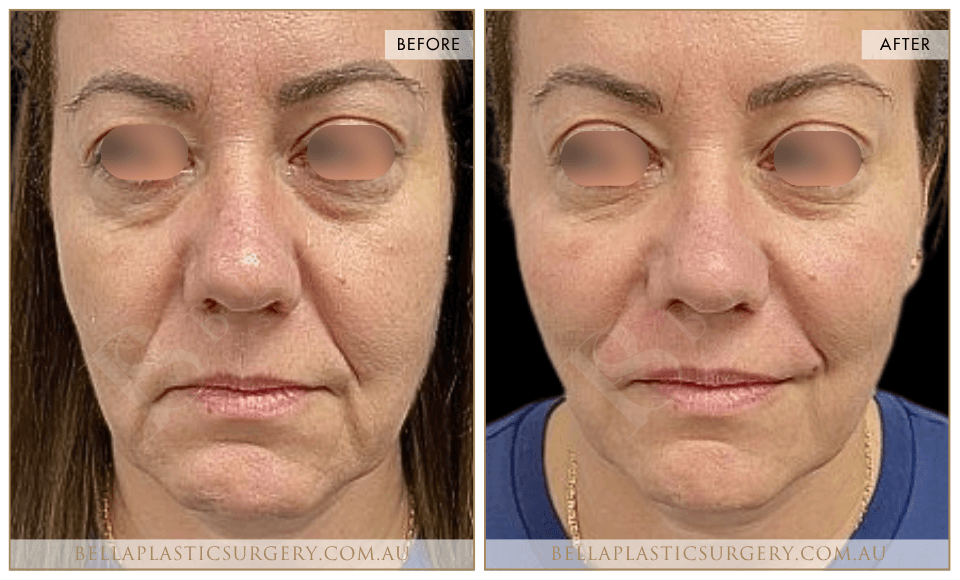
Alternatively, fat can be harvested from another part of your body and placed in the cheek as an injected fat graft. This technique can have good results. However, fat injections are an unreliable enhancement method. The duration of effect of the fat graft depends on the patient, the doctor’s skill and the area injected. Like cheek implants, a fat graft is an invasive and expensive procedure.
